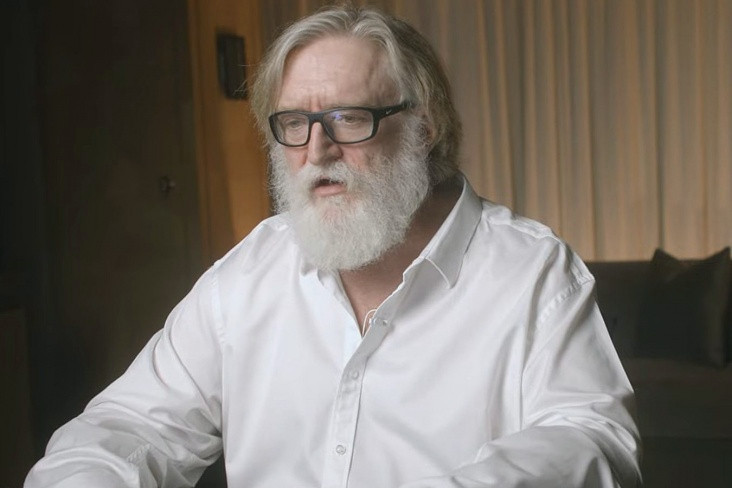
Gabe Newell, founder of Valve, has endorsed the startup Starfish Technologies, which focuses on developing brain-computer interfaces (BCI) for treating neurological disorders. This was reported by TechSpot.
Starfish Technologies is not linked to the gaming industry; instead, it is dedicated to medical applications. The company plans to launch its first chips by the end of 2025. The developers are working on miniature, energy-efficient, and wireless implants that can read and stimulate activity in multiple brain areas simultaneously.
The technology targets disorders related to neural connectivity issues, such as Parkinson's disease. Starfish is seeking partnerships with experts in wireless power transfer, neurointerfaces, and communication systems.
Valve had previously explored brain implants in a gaming context, and interest in this technology is also shown by Sony, Tencent, and Apple. However, Starfish initially wants to focus specifically on medical use cases.
The company has already released the technical specifications of its chip. The device measures 2×4 mm and consumes only 1.1 mW of power during standard recording. It can record brain activity (spikes and local field potentials) from 16 channels simultaneously at a rate of 18.75 kHz using 32 electrodes. The chip also supports electrical stimulation, has built-in impedance monitoring, voltage measurement during stimulation, and digital signal processing capabilities that enable operation via low-speed wireless interfaces. The chip is manufactured using TSMC's 55 nm process technology.
Interestingly, Starfish's main competitor is Neuralink, founded by Elon Musk. Neuralink is already testing its BCI systems on humans – the first patient received an implant in January 2024, and its functionality has been maintained despite some disconnections of wires.
Neuralink uses a more massive implant with 1024 electrodes, consuming about 6 mW of power and requiring periodic wireless charging. The company targets both medical and experimental use cases for brain interfaces.